Technical Report – REDMAR and National Geographic Institute: Sea Level Measurements
An article by Raúl Villa Caro, PhD in Naval and Ocean Engineering, (Ret.) Navy officer, Merchant Navy captain, and Secretary of the Fundación EXPONAV.
Tide gauges are instruments that allow us to record vertical movements in sea level and understand tides. In Spain, there are two tide gauge networks that monitor sea level in real time: the “Tide Gauge Network of the National Geographic Institute” and the “REDMAR Network of State Ports.”
Mean Sea Level in Alicante
In 1857, the National Geographic Institute began producing the Spanish topographic map and defining the “zero level” (origin), or datum. In 1870, this reference point was established in Alicante, partly due to the calm and stable nature of the Mediterranean Sea. In Galicia, there is only one tide gauge operated by the National Geographic Institute, located in A Coruña.
Additionally, each port defines its own reference level or convenient zero for construction works and dredging operations. This is known as the “port zero.” REDMAR tide gauges are generally referenced to this port zero.
Tide Gauge Installations
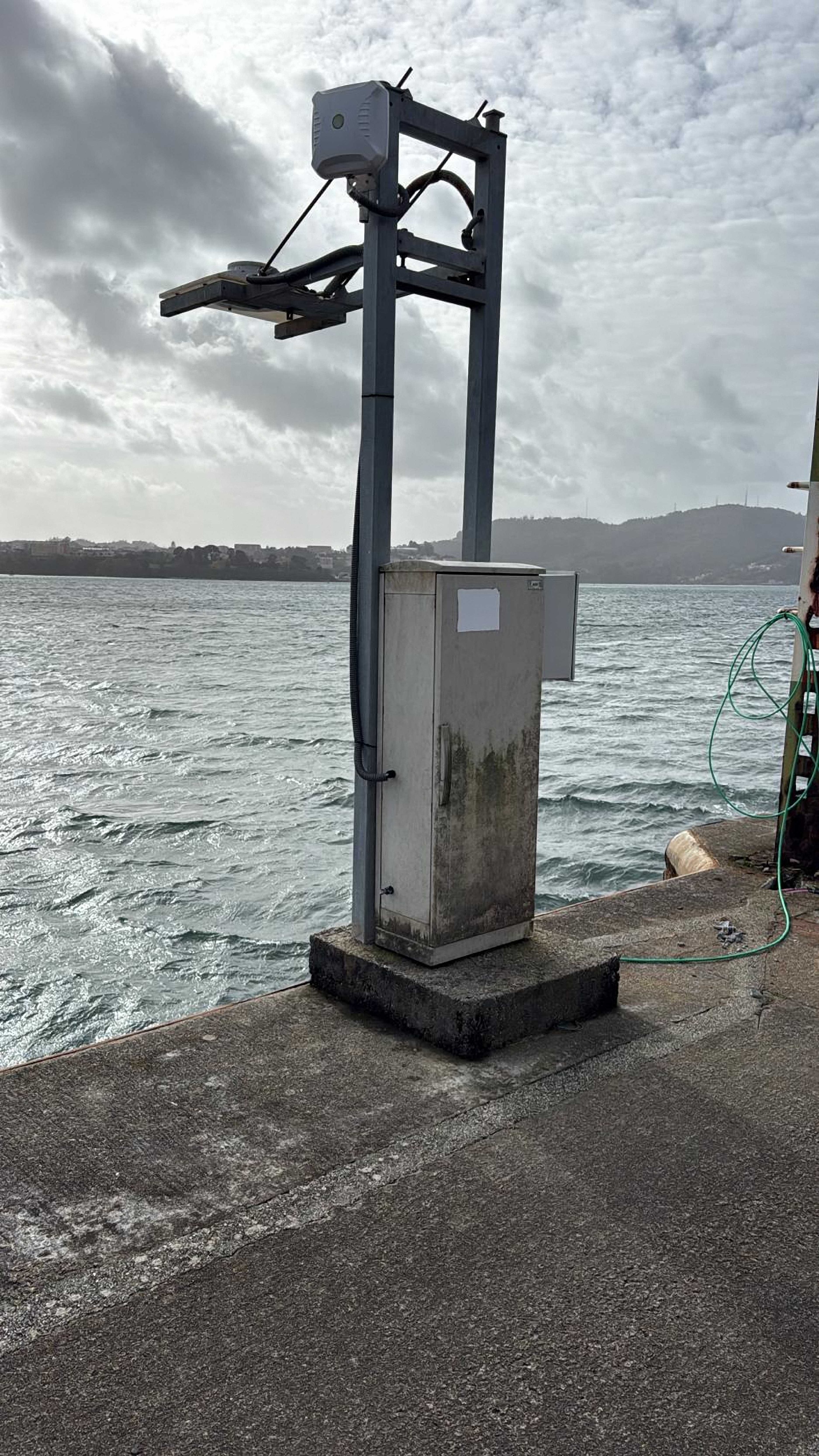
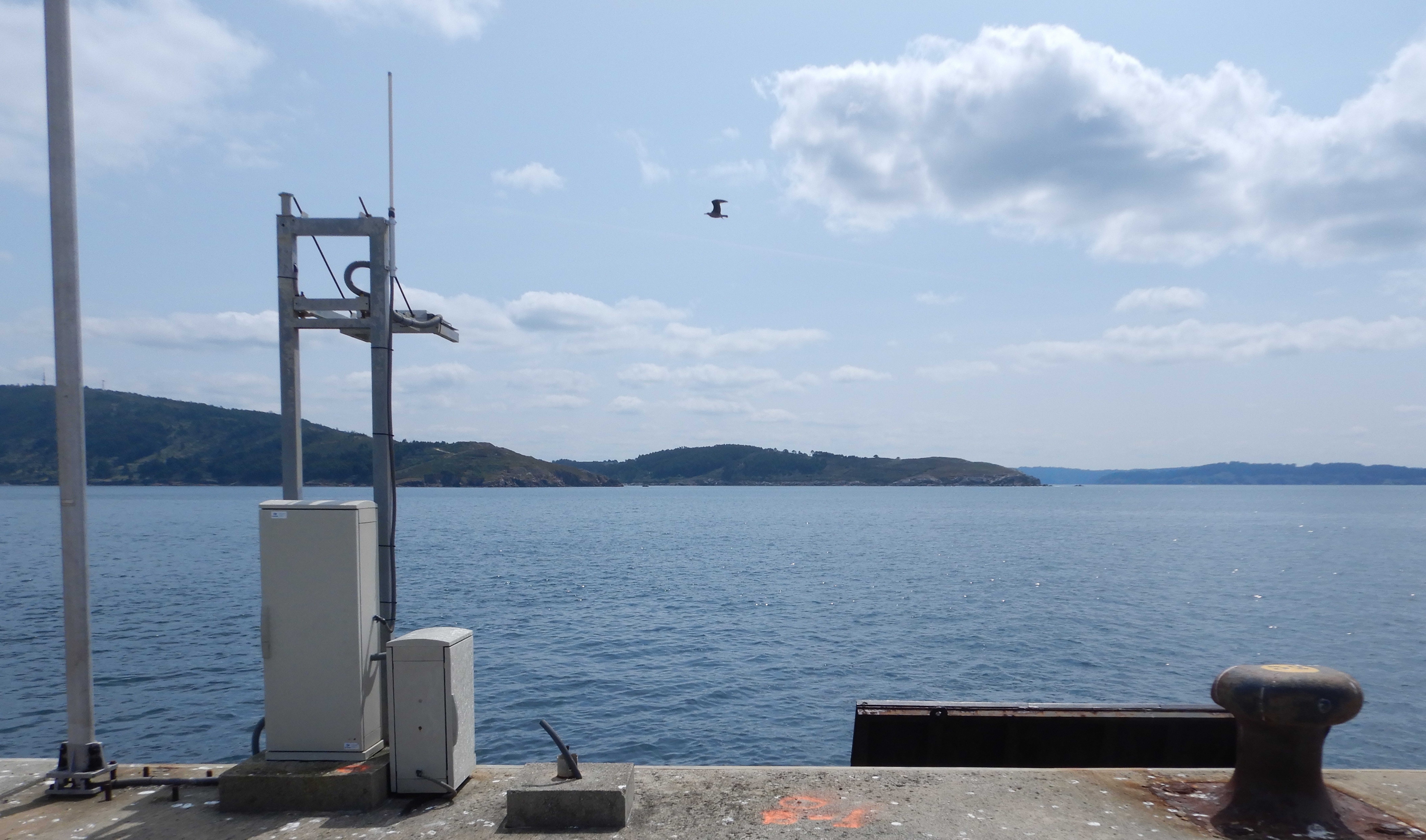
A tide gauge is a permanent, fixed installation used to record sea level using specialized instruments. It is usually housed in a building or small shelter near the coastline. Most tide stations are located inside the ports to avoid the corrosive marine environment.
Sea Level and Wave Measurement Network of State Ports (REDMAR)
The REDMAR system was created to provide a sea level measurement network capable of delivering real-time data. In 1992, systematic data storage began with the first acoustic tide gauges installed in 14 ports across the Spanish port system.
Later, in 2001, the need arose to replace the original equipment, leading to the introduction of pressure sensor-based systems. Ultimately, after testing radar-based equipment, MIROS tide gauges—based on frequency-modulated radar technology—were selected.
MIROS radar provides high precision in individual measurements and allows adjustment of the sampling interval. Newer models also measure wave activity, providing significant wave height and mean period data every 20 minutes. To ensure the stability of tide gauge reference points, at least two reference markers are used: one located next to the gauge and another in a more stable location, levelled with the first (main reference benchmark).
The Case of Galicia
In Galicia, there are 10 tide gauges belonging to the REDMAR network. Three are located along the coast of the province of Pontevedra (Vigo, Marín, and Vilagarcía), six in the waters of A Coruña province, and one on the coast of Lugo, in San Cibrao.
In Ferrol, the tide gauge network includes three measurement stations that are part of the REDMAR network of State Ports. Each station monitors sea level in real time and provides crucial data for navigation, coastal management, and scientific research. The organization responsible for managing the tide gauges in the Port of Ferrol is the Ferrol-San Cibrao Port Authority.
Raúl Villa Caro, doctor ingeniero naval y oceánico, oficial de la Armada (R), capitán de marina mercante y secretario de la Fundación EXPONAV