

COSCO orders 87 vessels from CSSC in the largest shipbuilding contract in Chinese history
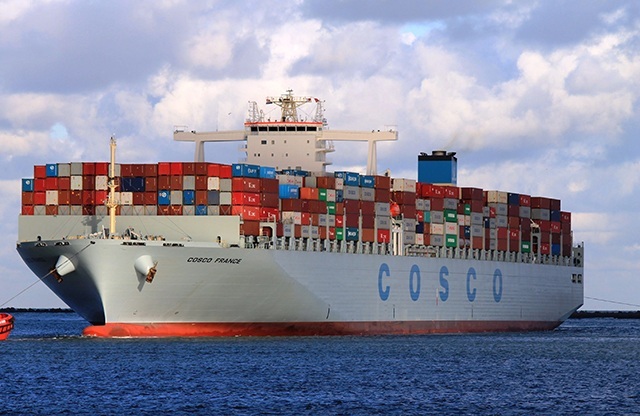
The state-owned shipping line invests more than $7 billion in a mega order strengthening its fleet and accelerating maritime energy transition
China COSCO Shipping Group has once again made a bold move in maritime giant’s league. The state-owned shipping company has signed an agreement with China State Shipbuilding Corporation (CSSC) for the construction of 87 new vessels, valued at more than 50 billion yuan (just over $7 billion / around €6–6.5 billion). This is the largest domestic shipbuilding contract ever between a Chinese shipowner and a Chinese shipyard to date.
Signed on December 8 in Shanghai, the order covers the entire spectrum of the merchant fleet: container ships, bulk carriers, large crude oil tankers, grain carriers, heavy-lift multipurpose vessels, MR tankers, and smaller container ships. In practical terms, COSCO is simultaneously renewing several of the core pillars of its container, bulk, and energy transport capacity.
A “record” order to modernize its fleet
According to Chinese financial press, the deal represents a qualitative leap in COSCO’s modernization strategy. The company, which already operates over 500 container ships with a capacity close to 3.5 million TEU and aims to surpass the 4 million TEU threshold, is further consolidating an orderbook that was already substantial before the announcement.
In 2025 alone, COSCO and its subsidiaries had previously contracted dozens of bulk carriers and large tankers—including Capesize vessels linked to the Simandou mining project in Guinea—worth an additional over 25 billion yuan. This new package of 87 vessels adds to that wave and reinforces the idea the group wants to secure shipyard capacity for the coming decade.
Construction will be distributed among several of CSSC’s major shipbuilding hubs, including Jiangnan, Dalian, Guangzhou, Wuchang, Beihai, and Chengxi shipyards, ensuring workloads across the entire industrial network of the state-owned conglomerate.
Energy transition and “greener” ships
Beyond sheer volume, the political and industrial message is clear: energy transition has become the core of the contract. Specialized portals and CSSC sources stress the new buildings will feature more efficient designs, smart navigation technologies, and advanced digital systems, with the explicit goal of moving toward low-carbon maritime transport.
Over the past two years, COSCO has already been investing in vessels prepared for alternative fuels—such as methanol—and in ships optimized to meet new international energy-efficiency standards. This mega-order reinforces that strategy: by ordering 87 vessels at once, the shipping line locks in prices ahead of potential cost increases, secures highly sought-after shipyard slots, and positions itself to comply with stricter future environmental regulations.
A boost for China’s shipbuilding industry
For CSSC, the agreement is also a major endorsement of its leadership. The group’s main listed arm, China CSSC Holdings, had already reported revenues exceeding 107 billion yuan in the first three quarters of 2025, with net profit more than doubling year on year, largely thanks to the surge in new orders. The contract with COSCO further expands its backlog and consolidates China’s position—alongside South Korea—as one of the world’s two major shipbuilding hubs. For Beijing, the deal also fits squarely within its strategy of strengthening “national champions” and reducing dependence on foreign shipyards in key segments such as large container ships and next-generation tankers.
Capacity build-up or accelerated replacement?
Among international analysts, debate is now emerging over the impact of this mega-order on global cargo capacity. The official narrative links the deal to a dual logic: expanding the fleet to remain competitive on major trade routes and replacing older, less efficient, and more polluting vessels. If most of the 87 ships are delivered as replacements for obsolete tonnage, the net effect on overall supply could be limited, albeit with a significant jump in efficiency and emissions reduction. If, however, a substantial portion adds new capacity, the move could fuel fresh cycles of overcapacity in certain segments—especially if other major groups follow suit.
A signal to the market—and to competitors
In any case, the message COSCO is sending to the maritime market is unequivocal: the Chinese giant not only wants to defend its position among the world’s leading shipping lines, but also to lead the sector’s next technological and environmental wave. By securing with CSSC the largest domestic shipbuilding order in Chinese history, the company ensures a modern fleet for the years ahead, strengthens the powerful state-owned shipbuilding industry, and sends a clear signal of strength to European and Asian competitors amid the ongoing reconfiguration of global logistics chains.
Source: Europa Azul