

60% of the Maritime Transport Decarbonization Plan funds will be allocated to build new ships
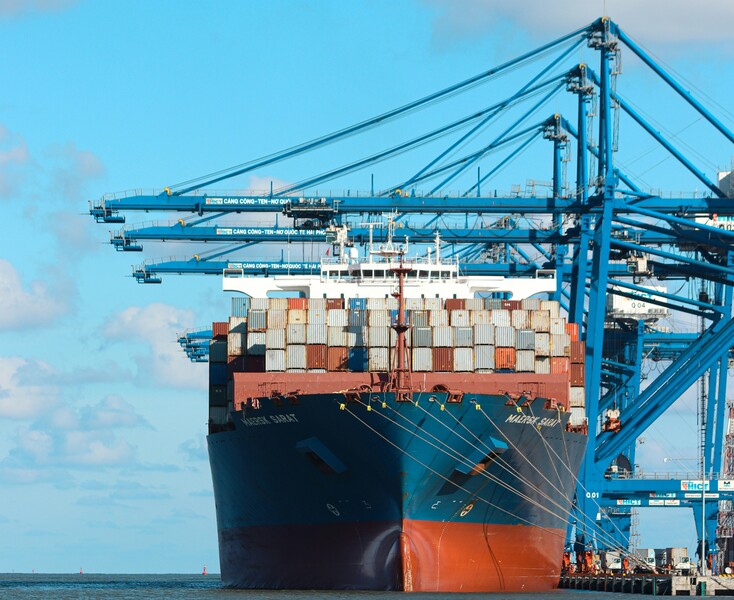
€200 million of the €250 million in public aid, will be allocated to the renewal of the Spanish merchant fleet, €150 million will be used for new constructions.
The Decarbonisation of Maritime Transport National Action Plan, approved last week by the Council of Ministers, expects €250 million in public aid between 2026 and 2030 to subsidise the renewal and conversion of existing ships, as well as the construction of new ships with low greenhouse gas emissions. Of the €250 million, €200 million will be allocated to the renewal of the Spanish merchant fleet, of which €150 million will be used for new construction, representing 60% of the total plan. Remaining €50 million will focus on the conversion of existing vessels, while an additional €49.61 million will be dedicated to projects equipping the fleet with new low‑CO₂ fuels.
“The objectives of the plan are: to serve as a tool for reducing greenhouse gas (GHG) emissions from maritime transport by 20% by 2030 compared to 2008, striving to reach 25%; to modernise the fleet to ensure its future competitiveness; to promote projects based on new renewable fuels of non‑biological origin; to consolidate green maritime corridors; and to foster professional training and education in clean technologies within the sector.”
A quarter of the revenue from ETS
The plan has a total budget of €250 million, coming from the revenue generated by the inclusion of maritime transport in the Emissions Trading Scheme (ETS), which is estimated to bring Spain approximately €1.004 billion in revenue during the same period. This figure is far from the initial forecast, according to sources in the maritime sector consulted by NAUCHERglobal, who point out that the investment comes from revenue generated by the inclusion of maritime transport in the European Union (EU) emissions trading scheme.
After the approval by the Council of Ministers was announced, the Director General of the Merchant Navy, Ana Núñez, stated in an exclusive interview with NAUCHERglobal that ‘we view the Maritime Transport Decarbonisation Plan positively, as it lays the foundations for the commitment to transform the sector into a much more sustainable activity. “It is an initiative we have worked hard to bring to fruition”. Although she admits that the plan’s total budget, set at €250 million over the next five years, is not the amount we initially expected, it does offer flexibility to allocate more funds, if available, through other means.
A few days ago, at the opening ceremony of the ‘Conference on Decarbonisation of the Sector within the Framework of the Maritime Strategy’, held in Bilbao, Núñez stated that “This plan will be an incentive to collaborate in the decarbonisation of maritime transport in our country and will serve to improve environmental sustainability in the maritime sector, which is one of the main objectives of the strategy.”
Source: Naucher